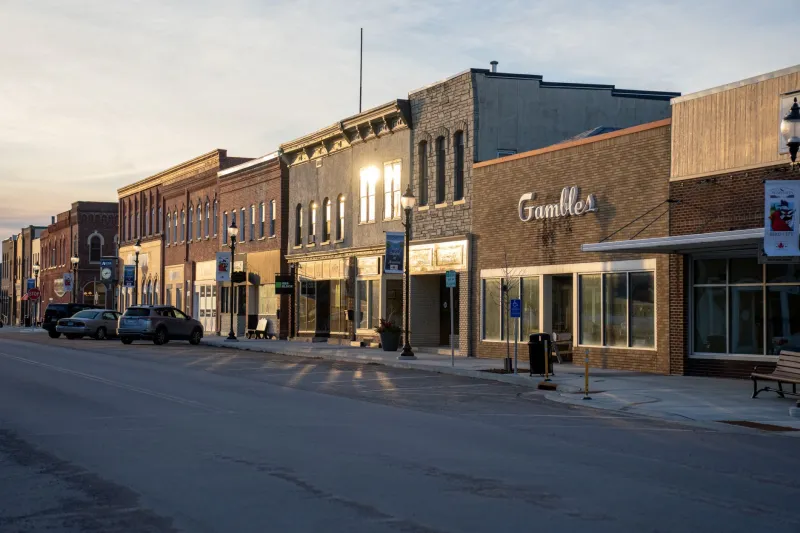
Window Dressing for Wizards: How Chestertown's Shop Owners Bring HP Fest to Life on Every Block
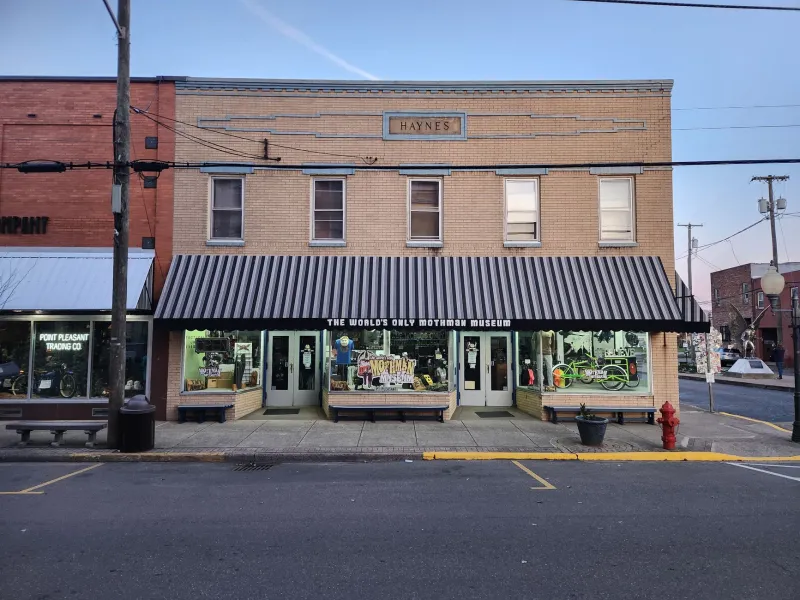
If you've walked down High Street in the days leading up to HP Fest, you already know that something special is happening. The bookshop has a cauldron in the window. The café has spelled out something in gold lettering above the door. The clothing boutique has somehow turned its entire display into a Hogwarts house color showdown. It's a lot — and it's completely wonderful.
What most festival-goers don't realize is just how much work, creativity, and genuine community spirit goes into making all of that happen. The storefront transformations that frame HP Fest's backdrop aren't coordinated by some outside design firm. They're dreamed up, funded, and executed by the same local shop owners who are open every other Tuesday when Chestertown is just quietly being itself.
We talked to several of those owners about what the process actually looks like — and what they want other small towns to know about doing something like this themselves.
It Starts Way Earlier Than You'd Think
Ask almost any participating business owner when they start planning for HP Fest and you'll get some variation of the same slightly exhausted laugh. "People see the finished window and think it went up in a weekend," says Carolyn Fitch, who owns a home goods shop on High Street that has become something of a local legend for its elaborate annual displays. "I start sketching ideas in July. The actual build takes about two weeks, but the thinking behind it starts way before that."
For Carolyn, the process begins with a theme concept — something that connects the HP universe to whatever she's currently selling, or to something happening in the broader community. One year she built a display around the idea of "home as a magical place," which tied neatly into her inventory while also feeling genuinely connected to the festival spirit. Another year she went full Great Hall dining table, complete with floating candle props she made from cardboard tubes and LED tea lights.
The budget is always a creative constraint, not a creative obstacle. "I've never spent more than $300 on a window display," she says. "Most of what you see is repurposed, borrowed, or handmade. The magic is in the details, not the price tag."
Collaboration Is the Secret Ingredient
One of the things that makes Chestertown's HP Fest storefront scene feel so cohesive — even though every shop does its own thing — is the informal network of collaboration that has developed among downtown business owners over the years.
There's no official committee that assigns themes or coordinates color schemes. Instead, there's a group text thread (started, apparently, by a bookshop owner three years ago) where shop owners share ideas, trade surplus materials, and occasionally recruit each other for last-minute help. "Someone will post that they have extra yards of burgundy velvet they're not using, and three people will claim it within the hour," laughs Marcus Webb, who runs a small antiques and curiosities shop that leans heavily into the aesthetic every year. "It's chaotic but it works."
Marcus's shop is particularly well-suited to HP Fest theming — he jokes that his regular inventory already looks like it belongs in Diagon Alley. Brass instruments, leather-bound books, odd little glass bottles — the festival gives him an excuse to pull everything out of the back room and put it on full display. "HP Fest is genuinely good for business," he says simply. "People come in to look at the window and end up buying something. That's the whole point."
What Goes Into a Great Themed Display
Talking to multiple business owners, a few common principles emerge for what separates a memorable storefront from a forgettable one:
Commit to the bit. Half-measures read as half-hearted. The displays that generate the most foot traffic — and the most social media attention — are the ones where the owner clearly went all the way in. That doesn't mean expensive. It means thorough. Every corner of the window should feel intentional.
Layer your lighting. String lights, battery-operated candles, colored gels over spotlights — lighting does more to create atmosphere than almost any other single element. Several shop owners mentioned that they invest more in lighting every year as they see how much it affects the overall impact, especially in the evening hours when foot traffic often peaks.
Connect to your actual business. The most effective displays find a genuine bridge between the HP theme and what the shop actually sells. A florist who builds a display around "magical botanical ingredients" is doing something smarter than one who just puts a wizard hat in the window. The connection makes the theming feel authentic rather than slapped on.
Invite interaction. A few businesses have added interactive elements to their displays — a voting card for favorite Hogwarts house, a free bookmark with every purchase, a small photo prop that customers can pick up for a selfie. These details extend the experience beyond the window and pull people through the door.
The Ripple Effect on the Community
There's something that happens in Chestertown in the weeks before HP Fest that's hard to quantify but easy to feel. The storefront preparations become a public event in themselves. Residents walk by in progress to see what's going up. Kids press their faces against windows to watch displays take shape. There's a collective anticipation that builds block by block.
"People stop in just to see how it's coming along," says Fitch. "Before the festival even starts, the decorating process has already created community. That's not something you can manufacture — it just happens when people are genuinely invested."
For shop owners, that investment pays off in ways that go beyond the festival weekend itself. The relationships built through the informal collaboration network have translated into year-round support among downtown businesses. The visibility that comes from a well-executed display brings in new customers who might not have known the shop existed. And the pride of being part of something that defines your town's identity is, by most accounts, worth more than any individual sale.
Advice for Other Small Towns
Chestertown's model is genuinely replicable, and several business owners were eager to share what they'd tell a downtown merchant association in another small community trying to build something similar.
Start small and let it grow organically. Don't try to mandate participation or over-organize the process in year one. Find the two or three business owners who are genuinely excited and let their enthusiasm be contagious. Create low-barrier ways for others to join in — shared supply lists, a materials swap, simple design templates for shops that feel intimidated by the creative side.
Most importantly, tie the decorations to something the community already cares about. HP Fest works in Chestertown because it connects a beloved cultural touchstone to a town that genuinely loves its own identity. The theming isn't imposed from outside — it grew from within, and it shows in every lovingly crafted window display on every block of High Street.