Small Town, Big Magic: How HP Fest Put Chestertown's Downtown Economy on the Map

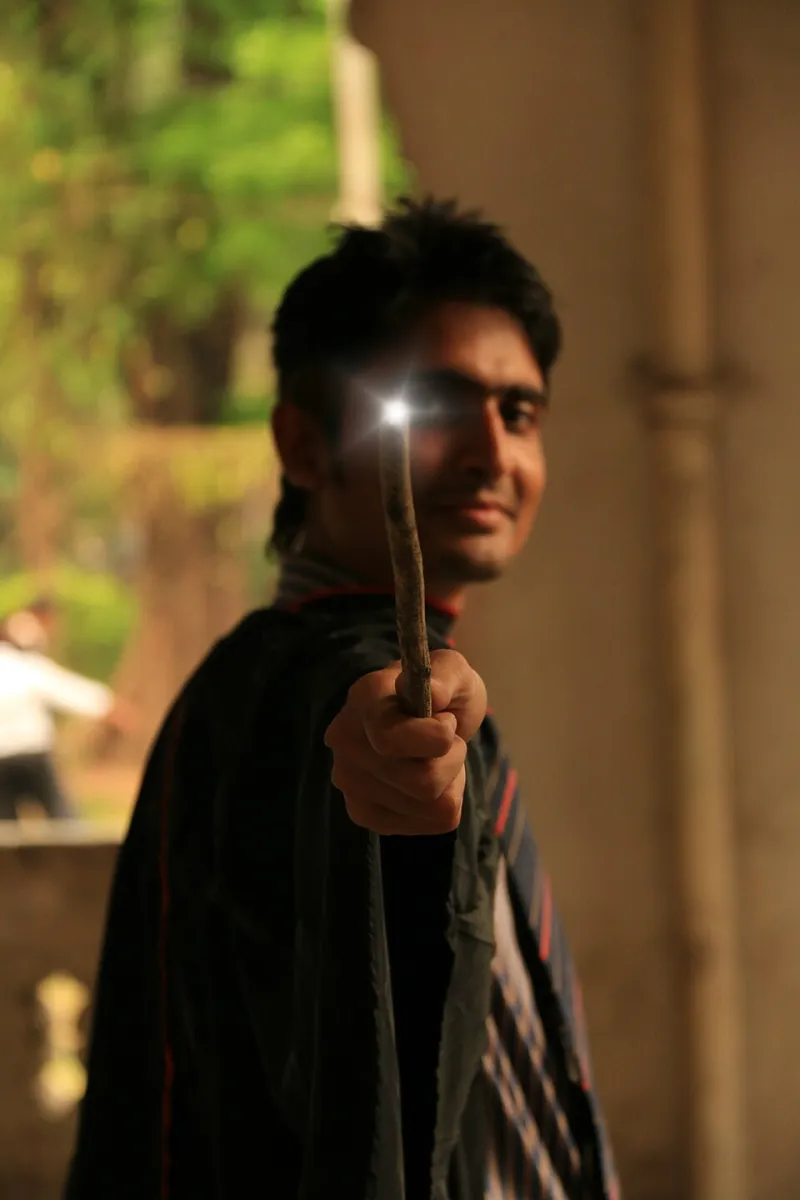
Photo by Photo by Olivia Hutcherson on Unsplash on Unsplash
Chestertown, Maryland has always had a certain charm — the kind of quiet, historic character you find tucked into the Upper Eastern Shore, where brick storefronts line the waterfront and everybody seems to know everybody. But ask a downtown shop owner what life looked like before HP Fest started drawing Harry Potter fans from across the Mid-Atlantic, and you'll get a very different picture of what this town used to feel like in October.
"Honestly, fall used to be our slow season," admits Karen Whitfield, who owns a gift and home goods shop just off High Street. "Now? We're stocking inventory in August and praying we don't run out by Saturday afternoon."
That's the HP Fest effect — and it's reshaping Chestertown's commercial landscape in ways nobody quite anticipated when the festival first took root.
From Quiet Weekends to Standing-Room-Only Streets
The transformation didn't happen overnight. In its early years, the Harry Potter-themed homecoming drew a modest crowd of locals and curious neighbors from surrounding Kent County. But as word spread through fan communities, travel blogs, and social media, the festival's footprint grew — and so did the economic ripple effect across downtown.
Today, participating vendors and brick-and-mortar businesses alike report some of their highest single-weekend revenue of the entire year during HP Fest. Foot traffic that might normally trickle through a Tuesday becomes a full-on surge when thousands of costumed visitors descend on the town's compact, walkable downtown core.
Mike Callahan, who runs a small bookshop near the waterfront, says he now dedicates an entire section of his store to wizarding-world titles and themed merchandise starting in late September. "People come in dressed as Hermione and they want to find something to bring home. We make it easy for them," he says with a laugh. "And while they're in here, they're also buying Maryland history books, local art prints, stuff they never planned on. It opens the door."
That halo effect — the unplanned purchases, the extended browsing, the "while we're here" mentality — is something multiple business owners mentioned unprompted. HP Fest doesn't just bring people to the festival grounds. It brings them into shops, restaurants, and galleries that might otherwise go unnoticed on a typical fall weekend.
Seasonal Planning Has Become a Year-Round Conversation
One of the more surprising shifts has been how HP Fest has changed the way local entrepreneurs think about their annual business calendar. Retailers who once planned inventory and staffing around summer tourism and the holiday season are now factoring in a third major peak period — and it's one they're increasingly treating as a flagship event.
"We start talking about HP Fest in January," says Dana Pryor, co-owner of a specialty candle and apothecary-style boutique that has leaned hard into the wizarding aesthetic. "What new scents can we create? What themed packaging can we design? It's genuinely a creative planning process now, not just an afterthought."
Dana's shop introduced a line of hand-poured candles with names like "Forbidden Forest" and "Potions Classroom" two years ago. They sold out before noon on festival Saturday. This year, she's producing three times the quantity and offering pre-orders through her website.
That kind of product innovation — driven directly by the festival's cultural identity — is happening across the downtown corridor. Restaurants are crafting specialty menus. Clothing boutiques are stocking robes and accessories. Even a local spa introduced a "Sorting Ceremony" facial package that books solid weeks in advance.
The Intangible Dividend: Community Pride
Beyond the revenue figures and inventory spreadsheets, something harder to quantify has taken hold in Chestertown. HP Fest has given the town a shared identity — a story it tells about itself to the outside world.
"People who had never heard of Chestertown are now planning vacations around coming here," says longtime resident and festival supporter Tom Alvarez. "That changes how you feel about where you live."
For younger residents especially, the festival has become a source of genuine civic pride. Local high schoolers volunteer. Families decorate their storefronts together. Neighbors who might not otherwise have much in common find themselves collaborating on float designs or themed window displays.
Shop owners also note that the festival has strengthened relationships between businesses that previously operated in isolation. Referrals happen more naturally now. If someone asks a restaurant server where to find a good souvenir, there's a ready answer. That informal network of mutual support has made the downtown feel more cohesive year-round, not just during the festival weekend.
Growing Pains and Smart Adaptations
Not everything about the festival's economic boom has been seamless. Parking becomes a genuine challenge. Small staffs get stretched thin. Supply chains for specialty merchandise can be unpredictable. A few business owners noted that the first year they experienced a major surge in traffic, they simply weren't prepared — and left money on the table as a result.
But most have adapted quickly. Hiring temporary seasonal help is now standard practice for several downtown establishments. Some shops have introduced online pre-ordering to manage inventory more efficiently. Others have coordinated hours and promotions with neighboring businesses to spread foot traffic more evenly across the weekend.
"You learn," says Karen Whitfield. "The first year you're scrambling. By year three, you've got a system."
That institutional knowledge — built festival by festival — is itself a kind of community asset. Chestertown's business community is getting better at hosting a big event, and that expertise benefits everyone.
The Bigger Picture
Zoom out far enough, and what HP Fest has done for Chestertown starts to look like something more than a successful local event. It's a case study in how a community can leverage a shared cultural passion to build something economically meaningful — without losing the small-town soul that made it worth visiting in the first place.
The wizarding world may be fictional, but the dollars flowing through downtown Chestertown every October are very real. And if you ask the people who run the shops, pour the coffee, and stock the shelves? They'll tell you the magic is just getting started.